
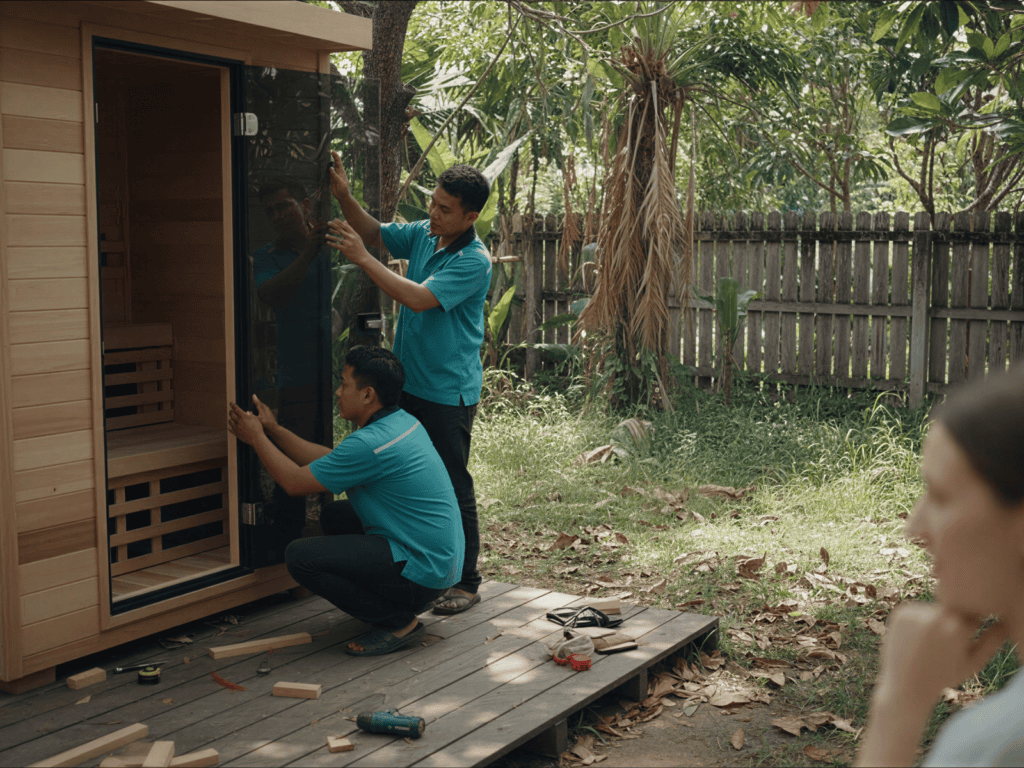
The install is the easy part. It’s the two weeks before it that catch people out.
We show up, build the sauna, and finish up in a day for most cabins. Whether that day goes smoothly depends on what’s ready when we arrive. In my experience, every delayed install has come down to three things people didn’t prepare for.
So here’s the honest version of what happens, what we do and don’t do, and what you need to have ready.
What does RönYen actually do?
We install the sauna. We don’t do the groundwork or the electrical.
That’s how the work is divided, and it’s important to be clear about this from the start because it is where unexpected issues often arise.
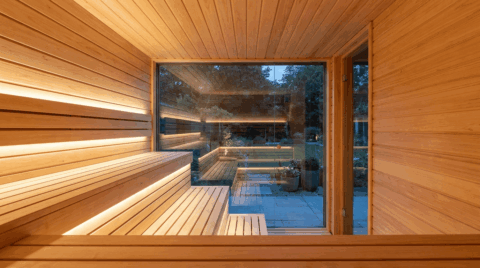
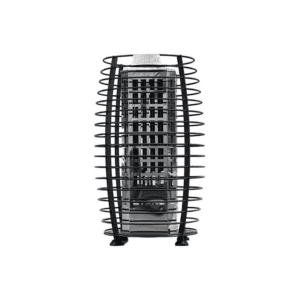
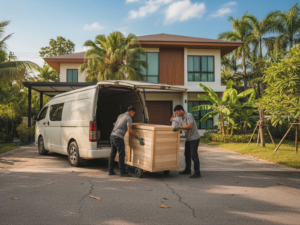
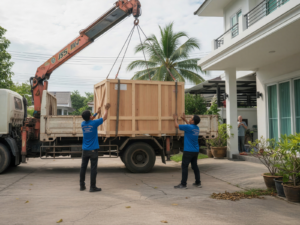
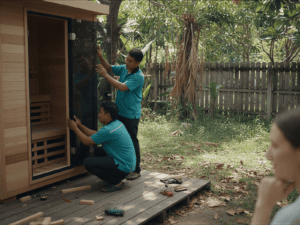
What we do: deliver the sauna flat-packed, assemble it on your prepared base, fit the heater and controls, and hand it over working.
What we don’t do: pour concrete, lay decking, build a deck, run cable, install a breaker, or connect to your board. We’re sauna builders, not a construction company or an electrical contractor.
Some suppliers suggest they’ll take care of everything, but then hire others for the parts they don’t handle. We prefer to be upfront, so you can arrange a builder and an electrician before the truck shows up, not after.
What does a sauna installation cost?
Between ฿10,000 and ฿45,000, depending on where you are.
The price range depends on your location, not the sauna itself. For example, Ban Suan and Phuket are very different. A cabin close to us and one on an island involve different travel, planning, and costs.
Delivery itself is free anywhere in Thailand. It’s the install that carries a fee, and we’ll quote it exactly once we know where you are and what we’re building.
Installation is an add-on, not compulsory. See the self-assembly section below.
What do you need to have ready?
You’ll need a level base that can support the weight and the power available right where the sauna will go, proper drainage, and a clear path to bring in the flat-pack.
That’s everything you need. Each one is important, and all are your responsibility.
A level, sturdy base is essential. Saunas are heavy, with timber, benches, a heater full of stones, and people inside. It needs to rest on something flat and strong that won’t shift. Concrete slabs, well-built decks, or paving on compacted ground are all good options. Soft ground, uneven surfaces, or a deck meant for just a few chairs won’t work.
We don’t measure or build the base for you. That’s your builder’s job, and they’ll need to know the sauna’s footprint and approximate weight. Just ask us, and we’ll provide those details.
Power must be available exactly where the sauna will be, not just nearby. A licensed electrician should run a properly rated circuit to the heater’s location, with its own breaker.
Most homes in Thailand use single-phase power, which supports heaters up to 12 kW. If you need more, you’ll need three-phase. This detail has changed more sauna plans than anything else here, so check your power supply before choosing a size.
Drainage away from it. Water gets used, and water gets spilled. The ground around the sauna should shed water rather than hold it. Timber sitting in a puddle has a shortened life.
Access is important. The sauna comes flat-packed, so the panels can fit through gates and around corners, unlike a pre-built cabin. However, they still need to reach the installation spot. If the only way in is a narrow gate with a sharp turn, let us know before delivery day.
What about clearances?
The heater has minimums, and they’re not negotiable. They come with the unit.
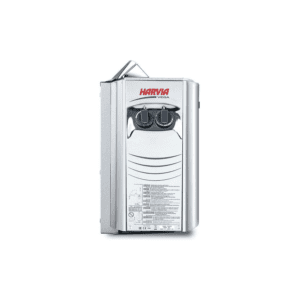
Every heater has manufacturer-specified minimum distances to benches, walls and anything combustible. Those aren’t suggestions, and they aren’t ours to change. They ship with the heater, and whoever installs it works for them.
That’s true whether we install it or you do. If you’re building it yourself, read them before you place a bench, not after.
Ventilation is also important, and it’s something many home-built saunas get wrong. A traditional sauna needs air to flow through it, with an inlet low near the heater and an outlet high on the opposite side. Without this, heat builds up unevenly, the air becomes stale, and the sauna doesn’t work well even if the thermometer looks fine.
Can you install it yourself?
Yes. It’s flat-packed and designed to go together.
This isn’t a second-best option. A RönYen sauna comes as panels and fittings with clear instructions, and many customers assemble theirs over a weekend. If you’re handy and have a friend and a drill, you can definitely do it yourself.
You can’t do the electrical work yourself. Only a licensed electrician should handle it, regardless of who assembles the sauna. Don’t try to improvise—sauna heaters use a lot of power and operate in a wet, hot environment.
So the real question isn’t about your ability. It’s whether you want to spend a Saturday building it yourself or pay ฿10,000 to ฿45,000 to have us do it. Either choice is perfectly reasonable.
Can you put a sauna on a balcony or a rooftop?
Not one of ours, no. And be careful of anyone who says yes.
A sauna puts a lot of weight in a small area, while balconies are built for people and furniture, not a timber room with a heavy heater and several adults. Residential balconies aren’t designed for this kind of load, and if they fail, there’s usually no warning.
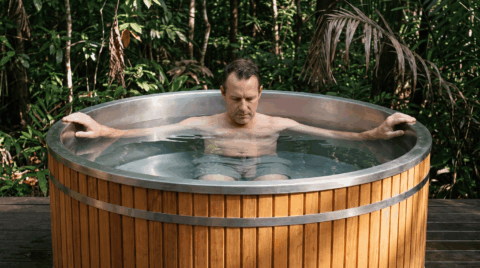
We don’t install permanent saunas or steel ice baths on balconies. That’s a firm rule, not a case-by-case thing.
Rooftop installations depend on structural engineering, not just sauna requirements. If you own the building and have an engineer’s approval for the load, we can discuss it. If you’re in a condo, it’s almost always not allowed, and your building management will likely say no before we even get involved.
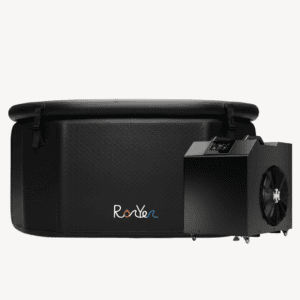
If you’re in an apartment and you want cold, an inflatable ice bath is the honest answer. It goes anywhere, it holds a fraction of the weight, and it’s the one product in the range that genuinely doesn’t care where you put it.
How long does the whole thing take?
Eight to nine weeks to build, then a day to install.
Every sauna is made to order and hand-built, so the clock starts when you order, not when you decide. Eight to nine weeks is the build. Delivery and installation follow.
Make use of that time. It’s just right for pouring and curing a slab and getting the electrical circuit installed. That’s why we share the four requirements at the start, not at the last minute.
Problems usually happen when the base construction only begins the same week the truck is scheduled to arrive.
What we’d tell you to do first
Call an electrician before you call us.
It’s not that we don’t want your order. The reason is that knowing your power supply and what your electrical board can handle determines which sauna you can get. It’s a quick question that can save you from having to change your plans later.
Once you know that, everything else follows: the supply determines the heater, the heater determines the cabin size, and the cabin size determines the base.
Work in that order, and the install is a good day.
FAQ
Do you do the groundwork and electrical work for a sauna installation?
No. RönYen installs the sauna itself. The base and the electrical supply are yours to arrange — your builder prepares the base and a licensed electrician runs the circuit. The space needs to be ready before we arrive.
How much does sauna installation cost in Thailand?
Between ฿10,000 and ฿45,000 depending on your location. Delivery is free anywhere in Thailand; installation is a separate add-on, and we quote it once we know your location.
Can you install a sauna yourself?
Yes. RönYen saunas are delivered flat-packed and designed for assembly, and many customers build their own. The electrical connection must be done by a licensed electrician regardless.
What kind of base does a sauna need?
A level, load-bearing surface that stays flat and sheds water — a concrete slab, a properly built deck, or paving on a compacted base. Ask us for the footprint and weight, and give both to your builder.
Can you put a sauna on a balcony?
No. A sauna is a heavy, concentrated load and residential balconies aren’t designed for it. RönYen doesn’t install permanent saunas or steel ice baths on balconies. An inflatable ice bath is the sensible option for an apartment.
How long does a sauna take to arrive and be installed?
Eight to nine weeks to hand-build, then roughly a day to install. Use the build time to get your base and electrical sorted.