
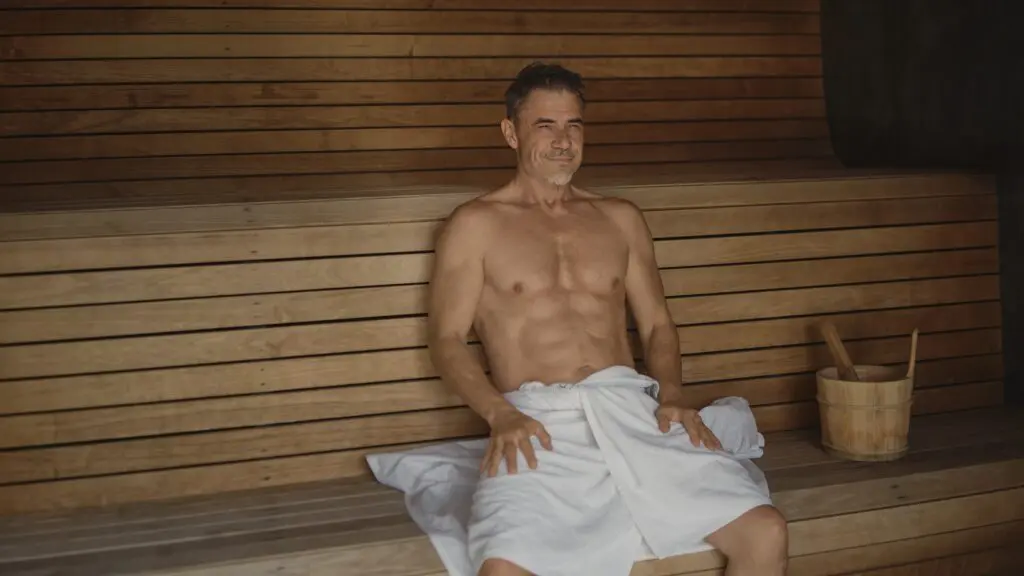
I never planned to start a sauna business when I moved to Thailand. After 25 years in the music industry, my body was worn out, and I knew I needed a change before things got worse.
Back then, I weighed 130kg, had arthritis in every joint, and struggled with eczema that three dermatologists couldn’t fix. Saunas weren’t even something I considered. But after a supervised 40-day sauna routine, I saw real changes: my arthritis eased in a couple of weeks, my eczema cleared up after a month, and I lost 42 kilograms over the next year. To be clear, research does link frequent sauna use to a lower risk of heart disease, but there’s no study showing a “sauna detox” can cause the kind of quick improvements I experienced with arthritis, eczema, or weight. This is just my story, not a medical claim.
That’s how it all began. Now I run RönYen in Thailand, and I’ve noticed more expats in places like Bangkok, Phuket, Hua Hin, Chiang Mai, and Pattaya are adding saunas and ice baths to their homes. Resorts, villas, condos, gyms, and wellness centres are following suit, upgrading their saunas and adding ice baths and onsens because customers now expect them.
Let me explain why this is happening.
What’s Driving Expats to Invest in Home Wellness Equipment?
Thailand’s wellness industry is growing fast. The Global Wellness Institute valued the global market at over US$6 trillion in 2023, and Thailand is becoming a major hub. Most of that growth has been in spas, retreats and clinics, places you go to visit.
But now, people want wellness at home. They want it to be part of their daily routine, not just something for holidays.
For expats, there’s also a practical side: finding a good sauna in Thailand isn’t easy. Many hotel and gym saunas are poorly maintained, set at the wrong temperature, or are just small infrared boxes sold as “Finnish” when they really aren’t. If you want a proper sauna experience, owning your own starts to make sense.
Is There Real Science Behind the Health Claims?
Yes, there is real science behind it, and the evidence is strong.
The most significant body of research comes from the University of Eastern Finland, led by Dr Jari Laukkanen. His group’s prospective cohort study, published in JAMA Internal Medicine in 2015, followed more than 2,300 Finnish men for over 20 years. Those who used a sauna 4-7 times per week had a 63% lower risk of sudden cardiac death compared to once-a-week users. That’s a significant difference.
Since then, the same group has linked regular sauna use to reduced risk of stroke (Neurology, 2018), lower rates of hypertension (American Journal of Hypertension, 2017), reduced risk of dementia and Alzheimer’s (Age and Ageing, 2017), and lower all-cause mortality. A review published in Mayo Clinic Proceedings concluded that sauna bathing may be associated with reduced risk of high blood pressure, cardiovascular disease, neurocognitive conditions and pulmonary issues, while also easing symptoms of arthritis and headaches.
Source: Cardiovascular and Other Health Benefits of Sauna Bathing: A Review of the Evidence, Mayo Clinic Proceedings, 2018 (pubmed.ncbi.nlm.nih.gov/30077204)
I’m not a doctor, but after years of using a sauna and ice bath almost every day, my arthritis is under control, I sleep better, and I recover from exercise more quickly. The science helps me feel confident that these benefits are real.
Why Does It Matter That a Sauna Is “Finnish”?
A lot of people misunderstand this.
In Finland, a sauna isn’t a wellness trend; it’s as common as a bathroom, with around 3.3 million saunas for 5.5 million people. The know-how is generations deep, and it shows in how a proper sauna performs.
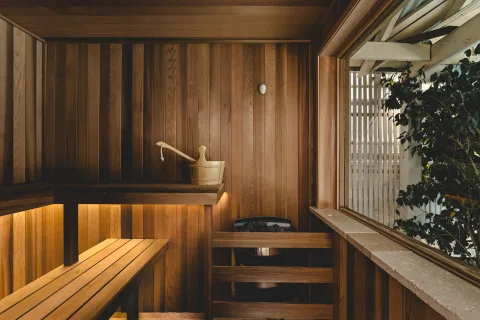
A Finnish sauna runs at 80-100°C (176-212°F) with low humidity, which you control by pouring water over hot stones, a practice Finns call löyly. The steam, the airflow, the bench placement and the choice of timber all shape the experience.
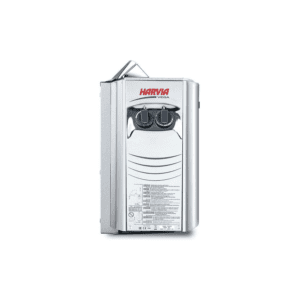
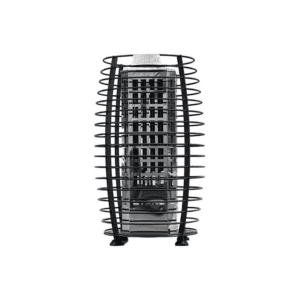
Safety is important too. Some cheap saunas use low-quality materials and glues that can release bad fumes when heated. A well-made sauna uses timber suited for tropical weather, has good ventilation, and includes a TÜV-certified stone heater that creates real löyly, not just hot air. No matter where you buy, this is the standard you should look for.
What Types of Saunas Can Expats Buy in Thailand?
Your choice depends on your space, your budget, and whether you want an indoor or outdoor sauna.
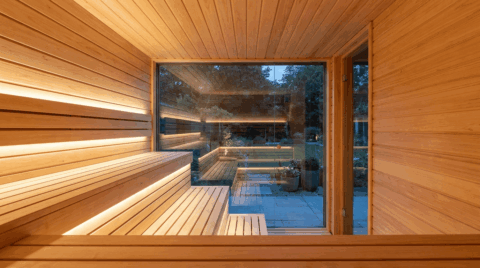
For indoor use, most people choose a modern cabin-style sauna. These come in sizes for 2, 4, 6, or 8 people and fit well in a spare room, garage, or a custom space. They have clean lines, a glass front, and a modular design that two people can put together in a day.
For outdoor spaces, premium sauna rooms are common on rooftops and in gardens around Bangkok and Phuket. They come in sizes for 2 to over 14 people, with weatherproof roofs, full glass fronts, and options like pine, red cedar, or teak. The 8- and 10-person models are especially popular for those who enjoy entertaining guests.
Barrel saunas offer a classic Nordic look and come in sizes for 3 to 8 people, with options like porches and panoramic windows. They’re a great choice if you want a standout feature in your garden without a major construction project.
If you have less space or a smaller budget, a compact cube sauna is a good option. These start at a 1-person unit and go up to 6, staying efficient and unobtrusive while still meeting proper sauna standards.
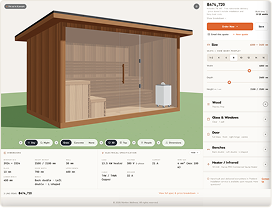
If standard sizes don’t fit your needs, most models can be customised for timber, size, glass layout, and bench setup. Whether you need a small unit for a condo or a large 14-person sauna for a hotel or gym, there’s a solution available.
Why Add an Ice Bath?
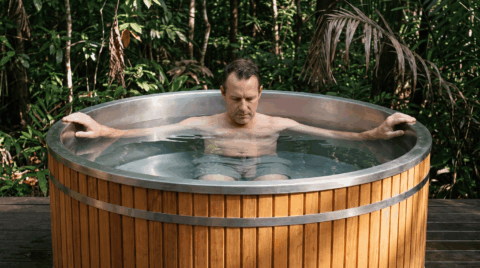
If you already use a sauna, adding cold therapy is a natural next step. A 2025 study in Scientific Reports looked at how sauna heat and cold-water immersion affect the heart and circulation. The combination of heat and cold brings many benefits together: better circulation, faster recovery, improved sleep, and a mental toughness you really have to experience for yourself.
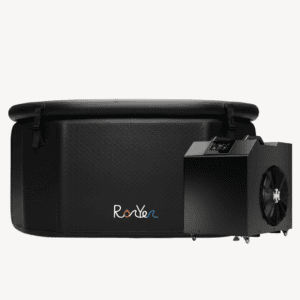
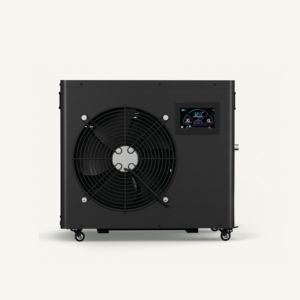
RönYen has a few options. All-in-one ice baths have a built-in chiller, so you don’t need to haul bags of ice—just fill it, set the temperature, and you’re ready. We also offer standalone chillers for those who already have a plunge pool or want to add cold to a custom setup.
Why Does Quality and Local Support Matter?
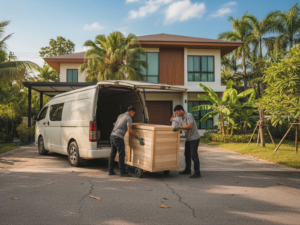
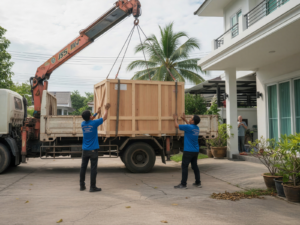
Many saunas and ice baths in Thailand come flat-packed from overseas factories, and after delivery, you’re often left on your own. Here are a few things that can make the difference between a good purchase and a regret:
Make sure your sauna is built for the Thai climate. Heat, humidity, and termites can be tough on timber. Using thermally modified wood and building methods suited for the tropics is important. A sauna made for Finnish winters won’t last in Bangkok without some adjustments.
Customisation matters too. If you need a sauna that’s a bit wider, want a different type of wood, or have a specific window layout in mind, being able to adjust the design to fit your space is very valuable.
Local support is important. If you need help after installation, it’s much better to have someone in Thailand who can assist and get parts, rather than dealing with an overseas customer service line in a different time zone.
How Much Does a Home Sauna Cost in Thailand?
The price really depends on what you want. A small 1-person cube costs much less than a large 14-person outdoor teak sauna with a premium heater. Instead of giving numbers that might not fit your needs, it’s best to review the full range or contact us for a quote tailored to your space.
Here’s what I can tell you: every sauna comes with a TÜV-certified stone heater and a wall-mounted touchscreen controller, and you can add WiFi app control if you want. We deliver anywhere in Thailand and offer assembly support and ongoing help after your purchase.
Is It Difficult to Install a Sauna in Thailand?
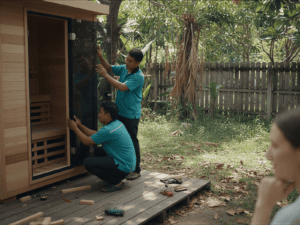
It’s easier than you might think. The saunas are modular, so two or three people can put one together without special tools or building experience. It’s like assembling high-quality flat-pack furniture, but with real timber joinery.
The main thing you need is the right electrical supply. Saunas up to 12kW use single-phase power, which most Thai homes have. Bigger units, such as those for businesses or large homes, require three-phase power, which an electrician can set up. Besides that, you’ll need a flat surface (indoors or outdoors), a power outlet, and ideally some ventilation. We provide full installation instructions and can recommend local electricians who are familiar with our products.
Ice baths are even simpler. All you need is a flat surface, a water supply, and a power outlet for the chiller, and you’re good to go.
Should You Get a Sauna If You Live in a Hot Country?
This is the question expats ask me most. “Why would I want to sit in a hot room when it’s already 35°C outside?”
That’s a fair question. The truth is, it’s a totally different experience. Thailand’s heat is humid and constant, which can be exhausting. A sauna session is controlled, intense, and short—usually 15 to 20 minutes at 80-100°C—followed by a proper cool-down. Your body reacts very differently to this than to just being hot and sweaty in Bangkok traffic.
In a sauna, your body’s heat-shock response triggers a series of helpful changes: heat-shock proteins, better heart function, a release of endorphins, and your parasympathetic nervous system takes over during the cool-down. None of this happens when you’re just sitting in a hot taxi.
If anything, living in Thailand makes ice baths even more attractive. Stepping into 5°C water when it’s 35°C outside is a real shock—the contrast is stronger, the effect is instant, and the relief feels even better.
What Should You Do Next?
If you’re an expat in Thailand considering a sauna or ice bath at home, here’s my honest advice.
First, consider your space. Will it be indoors or outdoors? How many people do you want it to fit? Are you looking for a sauna, an ice bath, or both?
Next, check out the options at ronyen.com to see the different sizes, wood types, heater options, and price ranges.
If you’re unsure what’s best for you, just get in touch. I personally answer all enquiries and am happy to discuss your options with no pressure. I’ve been in your shoes, wondering if it’s worth it. For me, it made a huge difference. You’re also welcome to visit the Rön Yen Garden in Bang Saen by appointment to see everything in person.
Frequently Asked Questions About Saunas in Thailand
How much does a home sauna cost in Thailand?
Prices vary with size, type and timber. Compact indoor saunas start at the lower end, while large outdoor premium saunas in teak sit at the higher end. Browse the range at ronyen.com to see options, or get in touch for a quote tailored to your space.
Can I install a sauna in a Thai condo or apartment?
Often, yes. Compact 1 or 2-person cube or cabin models can fit a spare room or even a large bathroom. The main requirements are a suitable electrical supply and building-management approval. We can advise on whether it’s feasible for your specific space.
Do I need a chiller for an ice bath, or can I use ice?
You can use ice, but it’s impractical for regular use: expensive, messy and inconsistent. A dedicated chiller automatically holds your water at a set temperature, from around 3°C up to ambient. For anyone planning to use an ice bath regularly, a chiller is worth it.
Are these saunas suitable for commercial use?
Yes. The larger models, in sizes up to 14-plus people with appropriately rated heaters, are well suited to gyms, spas, hotels and wellness centres. We can advise on sizing, three-phase power requirements and heaters built for high-use environments.
How long does delivery take?
Most standard products are ready within 2 to 4 weeks, with customised specifications taking a little longer. Your exact schedule is confirmed when you order. Delivery is available nationwide, with full assembly support.