


Sauna and Ice Bath: How to Alternate Safely (Without Giving Yourself a Heart Attack)

The Finns have been doing this for centuries: sauna, then cold water, then back to the sauna. They call it the “avanto” tradition when it involves cutting a hole in frozen lake ice, which sounds insane until you try it and realise why people keep doing it.

I alternate between sauna and ice bath almost daily now. The combination does something neither one manages alone. But I’ve also watched people do it wrong, rushing between extremes, staying too long in either, or ignoring their body’s clear signals to stop. One of my mates nearly passed out in my own plunge pool after going straight from a 95°C sauna into 4°C water with no transition.

So here’s the practical guide to contrast therapy: what actually happens in your body, how to do it safely, and how to build up to a routine that works.

What Happens to Your Body During Contrast Therapy?

When you understand the physiology, the practice makes more sense.

In the sauna, your body is trying to cool itself down. Blood vessels dilate (vasodilation) to increase blood flow to the skin, where heat can dissipate. Your heart rate climbs, sometimes reaching 100-150 beats per minute, which is similar to moderate cardio. You sweat profusely. Core temperature rises. Stress hormones like cortisol spike at first, then drop as you relax.

In cold water, the opposite happens. Blood vessels constrict (vasoconstriction) to protect your core temperature. Blood rushes away from your extremities toward your vital organs. Your body releases norepinephrine, a hormone that increases alertness, reduces inflammation, and improves mood. Heart rate spikes in response to the cold shock, then often drops below baseline as you adapt.

The magic is in the alternation. Going from hot to cold and back creates a pumping action in your circulatory system. Vessels expand, contract, expand again. Blood moves more efficiently. Inflammation decreases. The nervous system gets trained to handle stress and recover quickly.

Research supports this. Studies show that contrast therapy can reduce muscle soreness, improve circulation, enhance immune function, and even improve mental health markers. The endorphin release from heat, combined with the norepinephrine surge from cold, creates a mood boost that’s hard to replicate with anything else.

Is Alternating Between Sauna and Ice Bath Safe?

Before we get into protocols, some non-negotiables.

If you have heart conditions, high blood pressure, or any cardiovascular concerns, talk to your doctor first. The rapid changes in heart rate and blood pressure during contrast therapy are significant. For healthy people, this is actually beneficial, since it trains the cardiovascular system. For people with existing conditions, it can be dangerous.

Never do this alone, especially when you’re starting out. Cold-water immersion can cause involuntary gasping, disorientation, or, in extreme cases, cardiac events. Have someone nearby who can help if needed.

Never drink alcohol before or during contrast therapy. Alcohol impairs your body’s ability to regulate temperature and makes you more susceptible to both overheating and hypothermia. It also dulls the warning signals your body sends when something’s wrong.

Stay hydrated. You’ll lose significant fluid through sweating in the sauna, so drink water before, between rounds, and after. Skip the coffee beforehand, too, since caffeine is a diuretic and vasoconstrictor that works against what you’re trying to achieve.

Do I Need Electrolytes for Contrast Therapy?

Hydration deserves its own section, because most people underestimate how much they lose during a sauna session.

When you sweat, you’re not just losing water; you’re losing electrolytes. These are essential minerals, such as sodium, potassium, magnesium, and calcium, that your body needs to function properly. They regulate muscle contractions, nerve signalling, fluid balance, and heart rhythm. Lose too many without replacing them, and you’ll feel it: muscle cramps, fatigue, dizziness, headaches, and that general “off” feeling that makes you want to lie down.

A single 20-minute sauna session can produce anywhere from 500ml to over a litre of sweat, depending on the temperature and your body. Do multiple rounds with cold plunges in between, and you’re looking at serious fluid and mineral loss. Plain water helps with rehydration, but it doesn’t replace the electrolytes.

I’d strongly recommend getting yourself some sugar- and preservative-free electrolytes. I use Peak Sups Electrolyte Powder Blend 500g, which contains calcium, magnesium, potassium, and sodium (freshcart-th.com/products/electrolyte-powder-blend-500g-calcium-magnesium-potassium-sodium). It’s unflavoured, mixes easily with water, and doesn’t contain the artificial sweeteners or colours most sports drinks do.

I mix a scoop into water and drink it between sauna rounds, then again afterwards. The difference is noticeable: better energy, no post-session fatigue, and none of the muscle cramping that can happen when you’re depleted. If you’re doing contrast therapy regularly, proper electrolyte replacement isn’t optional. It’s part of doing this safely and getting the full benefit.

How Do Beginners Start Sauna-and-Ice-Bath Contrast Therapy?

If you’ve never done contrast therapy before, don’t start with extreme temperatures or long durations. Your body needs time to adapt.

Week 1-2: Gentle Introduction

Sauna: 10-12 minutes at moderate temperature (70-80°C / 158-176°F). Warm enough to sweat, but not so hot it’s intense.

Transition: Exit the sauna and sit for 2-3 minutes. Let your heart rate come down slightly. Drink some water.

Cold: Start with a cool shower, not an ice bath. Around 15-18°C (59-64°F) for 30-60 seconds. Focus on controlled breathing.

Warm up: Use a warm (not hot) towel or blanket. Let your body return to normal temperature.

Do this 1-2 times per session, 2-3 times per week.

Week 3-4: Building Tolerance

Sauna: 12-15 minutes at 80-85°C (176-185°F).

Transition: 1-2 minutes rest, hydrate.

Cold: Move to cooler water at 10-15°C (50-59°F) for 1-2 minutes. In an ice bath, that’s roughly a 3:1 water-to-ice ratio.

Repeat: 2-3 rounds per session.

Week 5+: Full Practice

Sauna: 15-20 minutes at 85-100°C (185-212°F). You can add löyly (water on the stones) to create bursts of humidity.

Transition: Brief, just long enough to walk to the cold plunge.

Cold: 2-5 minutes at 5-10°C (41-50°F). This is genuinely cold. Focus on slow, controlled exhales.

Rounds: 3-4 cycles.

End warm: Always finish with a warm-up period, either a final short sauna session or a warm rest.

How Should I Breathe During Cold-Water Immersion?

Your breath is your primary tool for managing the cold-shock response. When you first enter cold water, your body wants to gasp and hyperventilate. This is the cold-shock response: it’s involuntary, and it’s what makes cold water dangerous for unprepared people.

The technique:

Before entering the cold, take several slow, deep breaths.

As you enter, exhale slowly and steadily. Long exhales activate your parasympathetic nervous system and help override the panic response.

Once submerged, keep breathing slowly and under control. In through the nose, out through the mouth. Count your breaths if it helps; it gives your mind something to focus on other than the cold.

If you start hyperventilating or can’t control your breath, get out. This isn’t a test of toughness. It’s a sign your body isn’t ready for that intensity yet.

The breath control you develop through cold exposure genuinely helps in other areas of life. It’s stress inoculation: you learn to stay calm and in control when your body is screaming at you to panic.

What Temperatures Should I Use for Sauna and Ice Bath?

For the sauna:

  • Beginner: 70-80°C (158-176°F)
  • Intermediate: 80-90°C (176-194°F)
  • Experienced: 90-100°C (194-212°F)

Traditional saunas often sit at the higher end. Infrared saunas run at lower temperatures (45-60°C / 113-140°F) and don’t give the same contrast experience, since the heat just isn’t intense enough.

For the cold plunge:

  • Beginner: 15-18°C (59-64°F), cool but manageable
  • Intermediate: 10-15°C (50-59°F), properly cold
  • Experienced: 5-10°C (41-50°F), challenging
  • Advanced: below 5°C (41°F), not necessary for the benefits, but some people work up to it

The research suggests you don’t need extreme cold to get benefits. Water at 10-15°C for 2-5 minutes is enough to trigger the beneficial responses. Going colder mainly tests your mental fortitude, which has its own value but isn’t required for the physical results.

A 2016 meta-analysis in Sports Medicine found that water temperatures between 11-15°C for 11-15 minutes produced the best results for muscle recovery. Colder water (5-10°C) actually showed less benefit.

[Source: Machado AF et al. (2016), Can Water Temperature and Immersion Time Influence the Effect of Cold Water Immersion on Muscle Soreness? A Systematic Review and Meta-Analysis. Sports Medicine, 46(4), 503-514. https://doi.org/10.1007/s40279-015-0431-7]

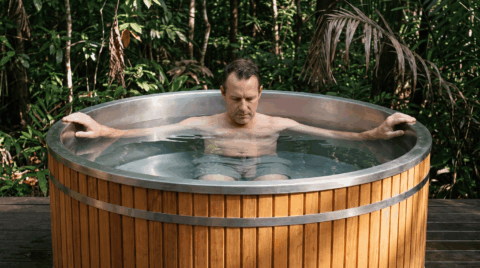
[IMAGE: young man breathing and concentrating in an ice bath. Original file: young-man-breathing-and-concetrating-in-an-ice-bath-scaled.jpg]

What Are the Most Common Contrast Therapy Mistakes?

Skipping the transition. Going straight from a 95°C sauna into 5°C water puts enormous stress on your cardiovascular system. Even a 30-second pause to let your heart rate return to normal can significantly reduce the shock.

Staying too long in the cold. More isn’t better. After about five minutes at proper cold temperatures, you’ve triggered the beneficial responses. Staying longer raises hypothermia risk with no extra benefit. The hormonal response happens in the first few minutes.

Competing with yourself or others. This isn’t a contest. The person who “wins” at contrast therapy is the one who does it consistently for years, not the one who suffers most in a single session. Ego has no place here.

Inconsistency. The benefits compound with regular practice. Two sessions a week for six months will do more for you than six sessions in one week followed by nothing. Build it into your routine.

Ignoring warning signs. Dizziness, confusion, chest pain, extreme shivering, blue lips: these are all signals to stop immediately. Cold water, especially, can be dangerous. Respect your limits.

How Often Should I Do Sauna and Ice Bath Sessions?

For general wellness, 2-3 sessions per week is plenty. It gives your body time to recover and adapt between sessions.

Some athletes use contrast therapy daily, especially during heavy training blocks. The recovery benefits are significant.

For mental health, even 1-2 sessions per week can have a noticeable effect on mood and stress resilience.

The Finns, who have the most experience with this practice, typically sauna several times a week, with access at home, at the gym, and even at work. The frequency that works for you depends on your goals, your schedule, and how your body responds.

How Do I Set Up Contrast Therapy at Home?

The ideal home setup is a sauna with a nearby cold plunge. Walk out of the sauna, take a few steps, and get into cold water. The logistics matter: if you have to walk across your property or wait for an ice bath to be ready, you lose momentum. It’s the same principle gyms and recovery studios build their wet areas around, hot and cold, within a few steps of each other.

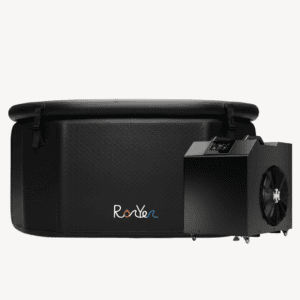
We sell both saunas and ice baths that work well together. Our ice baths hold a consistent temperature, so you don’t have to mess about with ice every time. For the sauna, any of our traditional models suits it, whether that’s a barrel sauna, a cabin sauna, or a larger customised build.

If you don’t have an ice bath, a cold shower is a fair starting point. It’s not as effective, since you can’t fully immerse, and the cold isn’t as consistent, but it’s better than nothing. Some people use large stock tanks or converted chest freezers with temperature controllers. They work, but they need more maintenance.

The key is reducing friction. The easier your contrast routine is to do, the more likely you are to do it consistently.

What Results Can I Expect From Regular Contrast Therapy?

First few sessions: uncomfortable. The cold will feel shocking, the sauna will be too hot, and your breathing will be all over the place. This is normal.

After a few weeks, your body adapts. The cold becomes manageable faster. You start to notice the mood lift afterwards, the clarity and calm that follow a good contrast session.

After a few months, it becomes something you look forward to rather than endure. You sleep better. Recovery from exercise improves. Stress feels more manageable. The practice starts to feel essential rather than optional.

After a year or more, the long-term benefits show up. Cardiovascular markers improve. Immune function strengthens. Mental resilience deepens. Finnish research on sauna longevity has followed participants for 20+ years, and the benefits compound.

[IMAGE: wooden sauna bucket, skin brush and white towel. Original file: wooden-sauna-bucket-skin-brush-and-white-towel-in-sauna.jpg]

Is Contrast Therapy Worth It?

Contrast therapy isn’t complicated, but it does demand respect. Heat and cold are powerful stressors. Used intelligently, they train your body and mind to better handle stress. Used carelessly, they can cause real harm.

Start conservatively. Build gradually. Listen to your body. Be consistent.

The combination of sauna and ice bath has become one of the most valuable parts of my daily routine. The 30 to 40 minutes I spend on it pay dividends in energy, mood, recovery, and resilience that last all day. If you’re thinking about adding this to your life, it’s worth the investment: in equipment, in time, and in learning to do it properly.

If you have questions about setting up a home sauna-and-ice-bath combination, get in touch. We can help you work out what suits your space and your goals. You’ll find us at ronyen.com, or email [email protected].

FAQs

Q: Is it safe to go directly from a sauna into an ice bath?
A: For healthy people, yes, but take a brief pause of 30-60 seconds to let your heart rate settle slightly. The rapid temperature change stresses your cardiovascular system, which is beneficial for training it, but calls for caution. People with heart conditions, high blood pressure, or cardiovascular concerns should consult a doctor first.

Q: How cold should an ice bath be for contrast therapy?
A: Beginners should start at 15-18°C, which is cool but manageable. Intermediate users can progress to 10-15°C, and experienced practitioners use 5-10°C. Research shows water at 11-15°C for 2-5 minutes is enough for the health benefits, so colder isn’t necessarily better.

Q: How long should I stay in the sauna before an ice bath?
A: Experienced users typically do 15-20 minutes at 85-100°C. Beginners should start with 10-12 minutes at lower temperatures, around 70-80°C. The goal is to be properly warmed but not exhausted before cold exposure.

Q: How many rounds of sauna and ice bath should I do?
A: Start with 1-2 rounds as a beginner, building to 3-4 rounds over several weeks as your body adapts. Always finish with a warming period, either a brief sauna session or a warm rest. More rounds aren’t necessarily better, and consistency over time matters more.

Q: Can I do contrast therapy every day?
A: Yes, if you’re healthy and you’ve adapted gradually. Many people get the most from 2-3 sessions per week, which allows recovery time in between. Listen to your body, and if you feel exhausted rather than energised afterwards, reduce the frequency.
Where to Buy Saunas in Thailand: A Guide From Someone Who Actually Uses One

In my thirties, I photographed rock bands in arenas and dive bars on four continents. My forties were about trying to repair the toll that lifestyle took on me.

Between festival backstages in Germany and late nights in Tokyo, my body started to show the cost: chronic arthritis in every joint, eczema on my elbows and feet, and weight gain from living on hotel breakfasts and whatever was available backstage.

At 130 kilograms (287 pounds), I dreaded squeezing into airline seats and avoided looking in mirrors altogether. Now, I weigh 88 kilograms (194 pounds), but it’s important to note that while significant weight loss can offer health benefits, a report by Kerry Jaime and Victoria Mank cautions that losing weight too quickly or dropping too much weight may also carry health risks. According to the Mayo Clinic, while some studies suggest saunas may help with conditions like arthritis, more extensive research is needed to confirm their effectiveness. There is no conclusive evidence that sauna use can consistently clear up arthritis or eczema in a short period.

I don’t think saunas are a miracle cure. But regular heat therapy, cold plunges, exercise, and some lifestyle changes made a big difference for me.

I now run RönYen in Thailand, where I sell saunas and ice baths. I’ll share where you can buy a sauna here—including from us—but I’ll also give you the honest advice you need, no matter where you decide to buy.

What Types of Saunas Can I Buy in Thailand?

Before we get into where to buy, let’s look at what you’re actually getting. This is more important than most guides admit. the real deal. High heat (typically 75-100°C / 165-212°F), low humidity, with the option to throw water on hot stones for bursts of steam. The Finns call this “löyly”, and apparently, I still pronounce it wrong after two years of trying.

Traditional saunas raise your heart rate to 100-150 beats per minute, roughly equivalent to moderate exercise. A 2018 review published in Mayo Clinic Proceedings found that regular sauna bathing (4-7 times weekly) was associated with reduced risks of cardiovascular disease, sudden cardiac death, and all-cause mortality in a long-term Finnish study of over 2,300 men.

According to a review in Mayo Clinic Proceedings, regular sauna bathing is a long-standing tradition in Finland and is now gaining popularity in other countries, so it remains uncertain whether starting sauna use later in life would yield the same health benefits observed among lifelong Finnish sauna users. I can only share my own experience, but the research suggests the benefits are real.

Infrared Saunas

Infrared saunas use light panels to heat your body directly rather than warm the air. They operate at lower temperatures (45-60°C / 113-140°F), making longer sessions more comfortable and potentially better suited to Thailand’s climate. Stepping out of a 100°C sauna into 35°C humidity isn’t ideal.

Research on infrared saunas is newer than on traditional ones, but there’s evidence that they help with chronic pain and recovery. They serve a different purpose, and for people who find traditional heat too intense, infrared can be a better option.

Steam Rooms

Steam rooms (sometimes called Turkish baths) offer moist heat at lower temperatures with nearly 100% humidity. The focus is on moisture rather than heat, and they’re often better for respiratory health and skin hydration. Breathing hot, wet air reminds me too much of Bangkok in April, which I already get plenty of. But if that’s what works for you, it’s a legitimate option.

Barrel Saunas

Barrel saunas are traditional saunas shaped like a barrel. The round design isn’t just for looks—it heats more efficiently because hot air circulates naturally, leading to faster heating and lower energy costs.

They’re also genuinely beautiful. A well-made cedar barrel sauna looks more like quality furniture than a health appliance. It stands out in a private garden or a boutique hotel courtyard and often draws compliments from visitors.

What Should I Consider Before Buying a Sauna in Thailand?

This is where I can help you avoid costly mistakes. I’ve seen people buy saunas that ended up as storage sheds because they overlooked a few important details.

Space and Installation

First question: Where’s this thing going?

Indoor saunas need ventilation and proximity to electrical connections. Outdoor saunas need weather protection, and in Thailand, that means serious thought about rain, humidity, and the sun absolutely hammering your timber through the dry season.

Measure your space carefully, then double-check your measurements. Also, consider how you’ll get the sauna into that spot—some delivery routes in Thailand can be surprisingly tricky.

Climate Considerations

Thailand isn’t Finland. Materials that work perfectly in a Nordic climate can struggle here.

Timber quality matters enormously. Canadian Western Red Cedar is naturally rot-resistant and handles humidity well. Thermo-treated pine (heat-modified to change its properties) is another solid option for tropical conditions. Cheap pine that hasn’t been properly treated? You’ll be replacing panels in two years.

In Finland, almost any wood works because of the cold, dry climate. In Thailand, you need to invest in quality timber or expect to pay for repairs later. That’s the reality here.

Budget Reality

Let’s talk about costs, since many guides aren’t clear on this.

Portable infrared saunas start around ฿30,000-50,000. They’re entry-level, fine for testing whether you’ll actually use a sauna, but don’t expect them to last forever or deliver the same experience as a proper unit.

Quality infrared saunas start around ฿89,000 at RönYen. These are proper units with decent build quality and components that will last.

Fully customised saunas, built to your size, timber, and layout and then professionally installed, start around ฿250,000 and climb from there depending on size and specification. These are made to last decades and tailored to your exact requirements.

Is the most expensive option always best? Not always. Cheap saunas are usually cheap for a reason. It’s better to buy a well-made small sauna than a poorly built large one.

Here’s something worth considering if you own property in Thailand, particularly a villa or house you might sell one day.

A well-built, attractive sauna is more than a wellness purchase—it can increase your property’s value and appeal. Many expats consider resale value when deciding. A cedar barrel sauna in a landscaped garden or a custom sauna room in a pool house can make your property stand out.

It’s not just homes—quality saunas are also a big draw for gyms, hotels, and wellness studios. They’re the kind of feature guests remember and members come back for.

There’s a big difference between a house with just a pool and one with a pool plus private wellness facilities. The latter often attracts more interest. Of course, this only works if the sauna is installed well. A cheap portable unit in a corner won’t add value, but a quality, permanent installation is a real asset. It’s a genuine asset.

Where Can I Buy a Sauna in Thailand?

Right. Here’s the part where Now, let’s go through your options—including competitors—because I promised to be honest.

There are a handful of dedicated sauna suppliers in Thailand. We’re one of them: RönYen, with delivery across the entire country, including Phuket, Chiang Mai, Pattaya, Hua Hin, and everywhere in between.

The benefit of buying from a specialist is their expertise. When you contact us, you speak with people who use saunas regularly and know the products well. We often advise people against purchases that wouldn’t suit their needs.

There are other specialists as well. Some focus on commercial projects for hotels and spas, while others import European brands. Do your research, ask questions, and notice how they respond. If someone pressures you to decide quickly, be cautious.

Home Improvement Stores

Stores like HomePro and Thai Watsadu occasionally stock sauna units. The selection leans toward portable infrared models, fine for entry-level use, but don’t expect expert advice or much after-sales support.

The staff at these stores are generalists, selling saunas alongside bathroom tiles and garden furniture. That’s fine, but just be aware of what to expect.

Online Marketplaces

Lazada, Shopee, and similar sites list saunas at lower prices, but quality can vary a lot.

If you buy online, read reviews carefully and look for patterns in complaints. Check the return policy, and be prepared that the product might not match the photos. I’ve seen people order “premium Finnish saunas” online that turned out to be particle board with a veneer.

If you’re okay with some risk for a lower price, online can work for portable units. For anything you want to keep long-term, it’s better to see it in person or buy from a reputable seller.

Bringing One in Yourself

Some people import directly from European or American manufacturers. This can work, but remember to factor in shipping, import duties, and the challenge of getting warranty support from far away.

One advantage of buying locally is that a good Thailand-based supplier has already managed importing, chosen units that suit the climate, and handles the warranty. You won’t have to chase a manufacturer in another country if something breaks. Unless you’re experienced and have done the calculations, buying from a local supplier is usually the better choice.

Should I Buy a DIY Sauna Kit or Get It Installed?

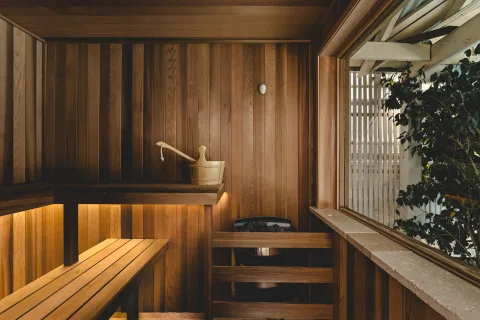
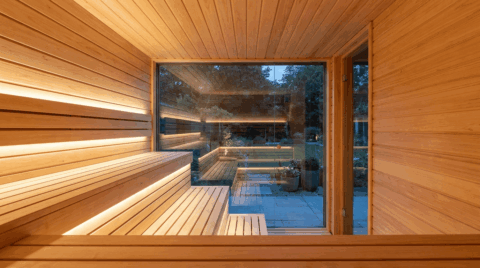
[IMAGE: window cabin sauna interior. Original file: 2-Window-6-8-Person-…-19-3.jpg]

I get this question every week, and honestly, the answer depends on you.

DIY Sauna Kits and Ready-Made Units

Good-quality kits and pre-built saunas come with pre-cut components and detailed instructions. If you’re reasonably handy and patient, you can assemble it. We see successful DIY installations all the time: two or three people, basic tools, half a day to a full day, depending on the model.

The trade-off is that you’re responsible for the quality of the installation. Gaps in panels, loose components, or incorrect electrical connections can cause problems later.

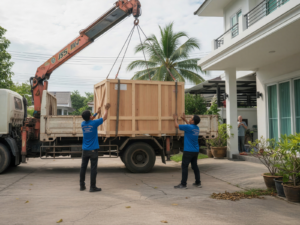
At RönYen, we deliver your sauna by truck and crane and can install it properly for you. If you’d rather do it yourself, our kits and ready-made units come with phone and video support through every step, and plenty of people get a professional result that way.

For some, building your own sauna is part of the appeal. It can be very satisfying to do it yourself.

A Fully Customised, Installed Sauna

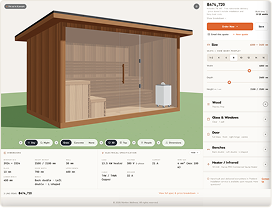
A fully customised sauna is a different service. We help you plan the size, timber, glass, bench layout, and heater for your space. Then we deliver and install it properly, so the sauna fits your needs exactly.

For customised projects, we handle details such as ventilation, bench placement, heater location, and the selection of the right timber for your environment. It’s the difference between fitting a generic box into your space and having one made just for you.

The cost is higher, but the result is much better if you want to use your sauna for years, care about the details, and want something that truly adds value to your home or business.

What Happens After You Buy

It’s important to ask any supplier about this, as it shows the difference between serious businesses and those just selling products.

At RönYen, we offer aftercare when you need it. Saunas are simple machines, but sometimes a heater element wears out, a part needs replacing, or you have a maintenance question. We keep spare parts in stock and can help you by phone or video call.

It may not be exciting, but it’s important. If you can’t get parts for your sauna, its lifespan is limited. Always ask suppliers what happens if you need a replacement in a few years, and notice how confident their answer is.

Will I Actually Use My Sauna?

One thing most sales guides don’t mention: even the best sauna is useless if it ends up as an expensive storage space.

I know this from experience—I’ve turned gym equipment into storage more than once. That rowing machine that became a clothes rack is still in my old apartment in Australia.

What made the sauna different for me was making it part of a routine I enjoyed. Four mornings a week, I wake up, have coffee, and spend 30 to 40 minutes in the sauna. Sometimes my partner joins me. She’s Thai and was sceptical at first, but now she enjoys it too. We talk, sit quietly, and relax together.

Afterwards, I take an ice bath. While the experience can be challenging, I enjoy the feeling that follows, even though Harvard Health Publishing notes that scientific evidence on the benefits of ice baths is still inconclusive.

A research paper published in PLOS One in January 2025 reviewed the evidence on cold-water immersion for health and well-being. The findings suggested time-dependent effects on stress, with a significant reduction in stress markers 12 hours after exposure. The evidence also pointed to improved sleep quality and quality of life among regular practitioners.

[Source: PLOS One, Effects of cold-water immersion on health and wellbeing: A systematic review and meta-analysis. https://journals.plos.org/plosone/article?id=10.1371/journal.pone.0317615]

Before you buy, ask yourself honestly if you’ll use it. If you’re unsure, start with a smaller, cheaper option to see if the habit sticks. If you already use gym saunas often and want a better experience at home, consider a larger model.

Is Buying a Home Sauna Worth It?

[IMAGE: beach scene. Original file: Nai-Yang-Beach-Thailand.jpg]

I never planned to sell saunas. I thought I’d keep photographing bands until I couldn’t, then maybe teach photography somewhere warm.

But now, I’m genuinely excited about cedar timber, heater wattages, and the right way to pour water on sauna stones.

What changed was finding something that actually worked—not in a trendy wellness way, but in a real, practical sense. My arthritis, which had lasted for ten years, disappeared in two weeks. Chronic eczema cleared in a month. I gradually lost forty-two kilograms from a lifestyle I wasn’t proud of.

I can’t promise you’ll have the same results. Everyone’s body and situation is different, and I made other changes too. But if you’re thinking about a sauna, it’s not just a trend. People have used them for thousands of years, and research continues to support their benefits.

Whether you’re buying for your health, your lifestyle, or as an asset that makes a property more valuable and more enjoyable, a quality sauna delivers on all three. The same holds for a business, where a well-placed sauna is the kind of amenity that gets a gym or hotel remembered.

Sauna isn’t really a luxury. Think of it as maintenance. You wouldn’t skip brushing your teeth for a week, and this is much the same. It’s simply how you look after yourself.

If you’re in Thailand and ready to weigh up your options, we’re at ronyen.com. Happy to answer questions whether you buy from us or not. Either way, feel free to get in touch, even if it’s just to shoot the breeze. You can reach me at [email protected].

FAQs

Q: How much does a sauna cost in Thailand?
A: Portable infrared saunas start around ฿30,000-50,000. Quality infrared units begin at ฿89,000. Fully customised saunas start around ฿250,000, depending on size, timber, and specification. The price reflects build quality and longevity, since cheap units often need to be replaced within a few years.

Q: Which type of sauna suits Thailand’s climate best?
A: Both traditional and infrared saunas work well. The key is to use quality timber that withstands humidity, such as teak, thermo-treated pine, or red cedar, and to ensure proper ventilation for outdoor units. Avoid low-quality softwoods that deteriorate quickly in Thai heat and humidity.

Q: Can I install a sauna myself in Thailand?
A: DIY kits are achievable for reasonably handy people, with most installations taking half a day to a full day with two or three people and basic tools. Good suppliers provide phone and video support throughout. For customised or larger saunas, professional installation is the safer bet, and we handle that for you.

Q: Does a home sauna add value to my property in Thailand?
A: Yes, when it’s done well. A quality installation, particularly a cedar barrel sauna or a well-designed sauna room, can make a property stand out and command a premium. It’s the difference between “house with pool” and “house with pool and private wellness facilities”. Cheap portable units don’t add meaningful value.

Q: Where can I see saunas before buying in Thailand?
A: You can come to the Ron Yen Shop & Wellness Garden to view them (by appointment only). A good supplier will walk you through models and timber options with detailed photos and video, talk you through a consultation, and visit your property to assess the space for a customised build. Some home improvement stores, such as HomePro, also stock basic portable models.

Common questions

Everything you want to know about saunas & heaters

Outdoor and indoor cabins, barrels, cylinders, cube and modern designs, plus sauna-and-shower combos — from a compact one-person unit up to fourteen-person commercial rooms. Every model is made to order and customisable to your space. Browse saunas.

Red Cedar and Finnish Thermo Pine both handle heat and humidity beautifully — cedar for its aroma and natural rot resistance, thermo pine for its stability in wet conditions. Japanese Hinoki is our premium pick. Canadian Hemlock is excellent value for indoor cabins. We’ll match the timber to your budget, look and location.

Outdoor saunas are fully weather-sealed for gardens, rooftops and pool decks. Indoor models are built for bathrooms, gyms and spare rooms. Both use the same indoor-rated electric stone heaters — the difference is the exterior cladding and weatherproofing.

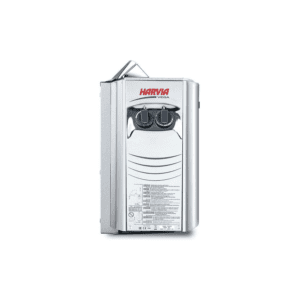
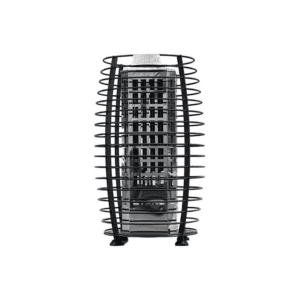
It depends on the internal volume of the cabin. As a guide: 4.5kW for 3–6 m³, 6kW for 5–8 m³, 9kW for 8–11 m³, 12kW for 11–15 m³, 15kW for 13–18 m³ and 18kW for 15–20 m³. Above 20 m³ takes two heaters. Up to and including 9kW runs on single phase; above that is three phase only, which in practice means anything from a six-person cabin upwards. We confirm the exact requirement in your quote so your electrician knows precisely what to install.

See all questions

Both are food-grade and corrosion-resistant. 316 adds extra protection for coastal air and chlorinated water, so it’s the safer choice near the sea or beside a pool. 304 is excellent value everywhere else. We’ll recommend the right grade for your site. See ice baths.

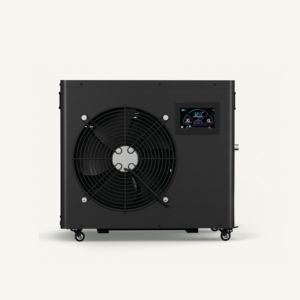
Ice works to get started, but it melts fast in Thailand and gets expensive. A chiller holds a precise temperature day after day with no effort — it’s the easiest way to make cold therapy a daily habit rather than an occasional event.

Our chillers run from 0°C to 42°C, so the same unit chills in the hot season and heats in the cool one. Most people plunge between 3°C and 10°C. Beginners usually start around 12–15°C and work down over a few weeks.

Our chillers include filtration and ozone sanitation that keep the water fresh for weeks between changes: run the ozone for 30–60 minutes after each session with the lid on, and the hydrogen peroxide in the cleaning kit keeps the water clean in between (about 160 ml on a fresh 320 L fill, then ~50 ml a week, checked with a test strip). Both are safe on stainless, acrylic and PVC baths. We walk you through it at handover — it’s far less work than a pool.

See all questions

Yes. Our brochures are on the site as downloads and we can email them to you. Because every sauna is made to order, the catalogue shows configurations and starting prices rather than a fixed range. Download the brochures.

The room dimensions, whether it is indoor or outdoor, how many people, and roughly where you are. If you have a floor plan, send that. From those four things we can quote accurately.

Yes, three ways. Come to the wellness garden and showroom in Ban Suan, Chonburi, ten minutes from Central Chonburi — there is a working sauna and ice baths you can use, by appointment. We hold finished samples of all four timbers. Or we will bring the samples to you: we travel anywhere in Thailand for a fee, and that fee comes off the price of your order when you buy. Book a consultation.

Yes. RonYen Wellness Co., Ltd is VAT registered and can issue full tax invoices. Ask us for the registration document if your accounts department needs it for approval.

See all questions

Yes. We deliver to Koh Samui, Koh Phangan, Koh Tao, Koh Kood and Phuket regularly. Island delivery carries a supplement over mainland freight, quoted per job, and adds a few days. Tell us the island and we will price it with the quote rather than after.

We service Thailand and Laos. We are not set up for shipping further afield at the moment.

Mainland delivery is included in the price. Islands and remote provinces carry a supplement, quoted with your order.

Yes — we deliver right across Thailand by freight. Wherever you are, we’ll get it to you. Delivery details.

See all questions

Occasionally, depending on the unit and where it is. Send us photographs of the heater, the control gear and the cabin and we will tell you honestly whether it is worth us coming or whether a local electrician can sort it for less.

Heater elements, stones, control panels and thermostats for the heaters we supply, held in Thailand. If you have another brand, tell us the model and we will say whether we can help.

Not currently.

Yes, for saunas in commercial operation. A room running twelve hours a day carries four to six times the load of a home installation, and scheduled servicing is what keeps it performing and keeps the warranty intact. Commercial servicing.

See all questions

Yes — every sauna arrives in a sealed timber crate with the wall sections already built, and most assemble in a day with two or three people and the supplied instructions. No specialist tools needed. Prefer it done for you? Our team can handle the full install. Installation service.

Delivery to the spot, full assembly, levelling, fitting the heater, and a handover walkthrough so it’s ready to use the same day. It’s the easy option if you’d rather not build it yourself.

A firm, level base — a concrete pad, deck or paved area — plus a power point within reach for the heater. We send a simple prep checklist before delivery so everything’s ready when your sauna arrives.

The final hard-wire connection of the heater should be made by a licensed electrician — that part isn’t included, for safety and compliance. We supply the full heater specification and can recommend trusted local contractors.

See all questions

Reserve online in a couple of minutes — pick a plan, a date and a time slot, and choose to pay online or on arrival. You’ll get a confirmation by email and text.

The Garden runs on advance bookings so every session has the space to itself — so book ahead if you can. That said, if you're passing and spot us, scan the sign at the gate or give us a call, and if there's room in the current session we'll happily wave you in.

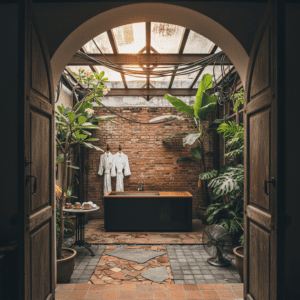
Saunas, ice baths, a swimming pool and shaded lounge areas — everything you need for the full hot-and-cold circuit, in a quiet private garden. A towel, flip-flops, a locker and your first drink come free with every visit. Explore the garden.

It’s in Chonburi, easily reached from Bangkok and Pattaya. We’re in a private gated community — when you arrive, look for the RonYen sign at the gate and we’ll open it for you. We text a reminder before your session so we’re ready and waiting.

See all questions

Still deciding? Talk to a specialist.

Get a straight answer on what suits your space, budget and the Thai climate — free and with no pressure.

Book a free consultation

Latest Help & Advice

View all
Commercial Saunas for Gyms, Hotels and Resorts in Thailand All Articles

Commercial Saunas for Gyms, Hotels and Resorts in Thailand

The sauna in a private garden is used four or five times a week by the same two…

27 Aug 2026 Read more
What kind of ice bath should be used in Thailand? All Articles

What kind of ice bath should be used in Thailand?

For several years, I’ve been taking cold water baths, and the first thing that no one ever tells…

15 Aug 2026 Read more
What is the way of designing a sauna so that it will fit into your space? All Articles

What is the way of designing a sauna so that it will fit into your space?

The majority of the enquiries come exactly as described. A person messages us to say that they would…

8 Aug 2026 Read more

Talk to us before
you buy.

A sauna or ice bath is a long-term addition to your home or commercial space. Tell us about your project, your goals and your timeline — we’ll give you a straight answer, including what the right options are.

Free consultation. Phone call, video call, or visit our showroom in Ban Suan, Chonburi — Rön Yen Shop & Wellness Garden — by appointment. Tell us your space and budget, and we’ll talk through the options with no pressure to buy.

Ban Suan, Chonburi — 10 minutes from Central Chonburi

Secret Link