






People often ask me if a timber sauna will just rot in Thailand. With forty-degree afternoons, ninety per cent humidity, and monsoon rains that feel relentless, it’s easy to think a wooden sauna wouldn’t survive here.
But here’s the surprising truth: a sauna actually dries itself from the inside several times a week. Each session bakes moisture out of the wood. In this climate, the saunas that fail aren’t the ones used often—they’re the ones left closed and unused during the wet season. Using your sauna is the best maintenance. Everything else below just helps it last even longer.
What should you do after every session?
Just do three quick things in ninety seconds before you go relax.
Leave the door and vents open until the room dries out. The heater’s leftover warmth will help, and you’re just letting the moisture escape. Closing up a wet sauna is the main reason timber gets musty, but it’s easy to prevent.
Wipe down the benches. Sweat is mildly acidic and can stain or wear down the wood over time. A quick wipe with a damp cloth while the room is still warm keeps benches looking new. Always sitting on a towel makes this job even easier.
Rinse anything that needs it, like the ladle or bucket, and you’re done.
What does the weekly and monthly routine look like?
Each week, sweep or vacuum the floor and wipe the benches with the pH-neutral wood cleaner from your care kit. This is important because regular household cleaners are often too harsh and can damage the wood. Only use products made for bare timber inside your sauna.
Once a month, or whenever you notice, scrub the areas that get the most contact—like bench edges, backrests, and the door handle—with a soft-bristle brush. Check the drain and floor corners for any buildup. Outside, clear leaves off the roof, make sure nothing is growing against the walls, and check that the base is still directing water away from the timber. Plants holding moisture against the wood can cause more damage over time than any storm.
Should you oil or seal the timber?
You should oil or seal the outside, but not the inside. Sealing the interior is a common mistake that causes more problems than the weather ever does.
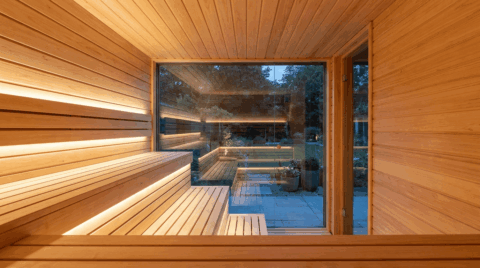
Keep the interior walls and ceiling bare. The wood needs to breathe so it can absorb and release moisture during heat cycles. Paint, varnish, or film-forming sealers trap moisture inside, and at high temperatures, some finishes can release fumes you don’t want to breathe. If you prefer, you can use a special paraffin-based sauna bench oil on the benches, but simply keeping them bare and wiped works just as well.
The exterior is different. Thailand’s strong sun is tough on unprotected wood, so use the timber treatment oil from your kit or another exterior-grade oil that matches your cladding. Reapply when the wood starts to look dry and grey, not on a strict schedule. Red Cedar and Thermo Pine will turn silver-grey if left untreated, which some people like. Oiling keeps the original colour, but isn’t necessary for the wood to last.
What about the heater and stones?
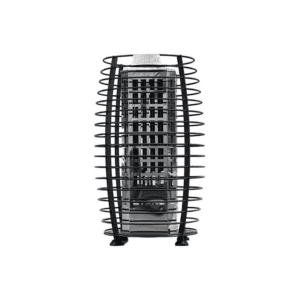
The stones work hard. Every time you pour water on them, they get shocked, and over a year or two, they can crack and shed grit. Once or twice a year, let everything cool down, unstack the stones, rinse off the dust, throw out any cracked or crumbling ones, and restack them loosely so air can flow between them. Don’t pack them too tightly—the heater needs good airflow to work well.
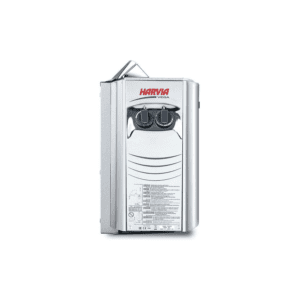
While the stones are out, vacuum any grit from the heater tray. Use your own thermometer and some patience to make sure the wall controller matches the temperature on the screen. And remember, any electrical work should always be done by a qualified electrician. We provide the heater manual and wiring specs, but that’s where our advice on electrical work stops.
As a finishing touch, add a few drops of eucalyptus löyly oil to your water bucket—never directly on the stones—as a reward for your efforts.
What are the signs something actually needs attention?
If you notice a musty smell that doesn’t go away after a hot session, the room isn’t drying out—check that the vents are clear and you’re leaving it open after use. Grey patches on the boards usually mean surface mould from trapped moisture, which you can fix early with wood cleaner and a brush. If the door suddenly won’t close properly, the base may have shifted, so check if the ground under one corner has settled, especially after heavy rain. If the heater isn’t reaching temperature, it’s usually because the stones are packed too tightly, the stones need replacing, or there’s a ventilation issue.
None of these issues is an emergency right away. But fixing them as soon as you notice is always easier and cheaper than waiting until later.
The short version
Use your sauna often, dry it out after each session, always use a towel on the benches, clean with products made for bare timber, oil the outside but not the inside, and refresh the stones twice a year. Follow these steps and your cedar or Thermo Pine sauna will easily last ten years in this climate—that’s exactly why we build them this way.
If you’re still deciding which sauna to get, our custom sauna page explains the different timbers, sizes, and what it’s like to own each one. Every sauna we deliver comes with a full care kit and instructions in the crate.
FAQ
Q: Can an outdoor sauna survive the Thai rainy season?
A: Yes. A used sauna dries itself from the inside with every session, and the flat roof and raised base are designed to shed water. The failure mode is a sauna left shut and unused through the wet, not one that gets used.
Q: How often should I clean my sauna?
A: Wipe benches and air the room after every session, clean the floor and benches weekly with a pH-neutral wood cleaner, and do a deeper scrub of high-contact spots monthly. The exterior wants a seasonal check and an oil when the timber starts looking grey and thirsty.
Q: Should I varnish or paint the inside of my sauna?
A: No. Interior timber must stay bare so it can absorb and release moisture through heat cycles. Film-forming finishes trap damp in the boards and some off-gas at sauna temperatures. Bench oil made for saunas is the only interior finish worth considering.
Q: How often do sauna stones need replacing?
A: Inspect them once or twice a year. Rinse the dust off, discard cracked or crumbling stones, and restack loosely so air flows between them. Most stone sets want topping up every one to two years with regular use.
Q: Why does my sauna smell musty?
A: Trapped moisture. Leave the door and vents open after every session until the room is dry, check nothing is blocking the vents, and clean early mould spots with a pH-neutral wood cleaner and a soft brush. A musty smell that persists through hot sessions means the room is not drying between uses.