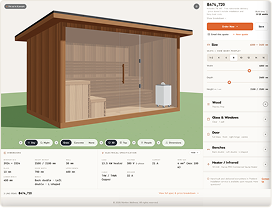

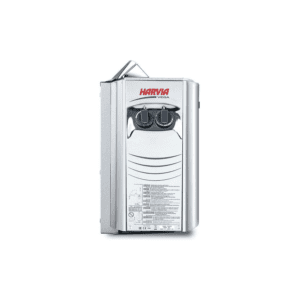
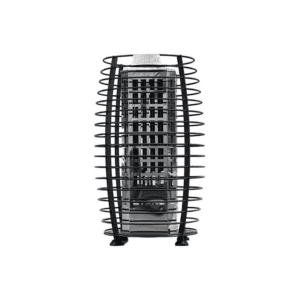






A few months ago, a customer called me in a panic. His sauna heater had stopped working, even though it was less than a year old. When I asked about his routine, he explained that he used a 1.5-litre water bottle to pour water directly onto the rocks, using a lot each time. He often aimed for the spaces between the rocks to make sure the water got deep inside.
I asked him to send me some photos of the heater. What I saw looked like it had been underwater for years. The heating elements were rusty, bent, and in one place, completely broken.
There was no way to fix it. He needed a new heater, and the problem could have been avoided.
Pouring water on hot sauna rocks, known as löyly in Finland, is one of the best parts of a traditional sauna. The steam hits your skin, the room feels much hotter, and the hissing sound makes it feel authentic. But there’s a right way to do it. If you keep doing it wrong, you’ll end up with problems.
Why Does Water Damage Sauna Heaters?
Electric sauna heaters have heating elements, usually stainless steel coils or tubes, sitting beneath or between the rocks. These elements run extremely hot. When cold water hits them directly, you get rapid thermal shock: the metal expands and contracts suddenly, and over time, that causes cracking, warping, and failure.
The rocks play an important role. They absorb and store heat, and they can handle sudden temperature changes much better than metal. If you pour water onto the rocks instead of the heating elements, the rocks turn the water into steam and protect the elements.
The issue is that most heaters don’t have clear instructions. Many people think you can just pour water anywhere on the hot parts and it will work. That might be fine at first, but it eventually causes problems.
How Do I Properly Pour Water on Sauna Rocks?
Here’s how to avoid becoming the person who calls me in a panic.
Use a ladle, not a water bottle.
I cannot stress this enough after that phone call.
There’s a reason people use a traditional Finnish ladle. It lets you control how much water you use and where you pour it. Using a water bottle means you have less control. A bucket pours too much at once. Even a coffee mug isn’t a good idea.
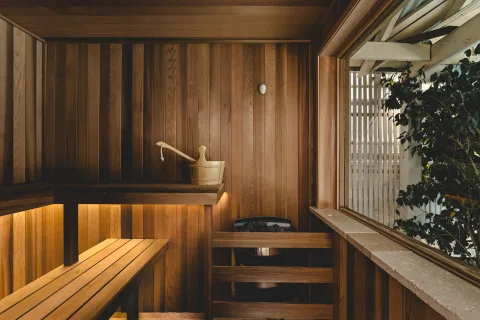
We include a wooden bucket and ladle with every sauna we sell. It’s not just a bonus; it’s because we know what can go wrong when people use the wrong tools.
Aim for the top rocks only.
The rocks on top are the hottest and farthest from the heating elements. Pour water only on the top layer so it turns to steam and rises. Don’t try to pour water deep into the pile where the elements are.
Small pours. Patience.
Pour about 100 to 200 millilitres of water each time. This gives you enough steam without letting water collect and drip through the rocks.
It’s better to pour small amounts several times instead of one large splash. Wait 30 seconds to a minute between pours so the rocks can recover. I learned this from experience and from others’ advice.
Warm water, not cold.
I was surprised to learn that cold water causes more sudden temperature changes, which can damage both the rocks and the heating elements. Warm water makes gentler steam and is easier on your sauna.
Some people believe cold water creates better löyly. Maybe that’s true, but cold water also wears out your heater and rocks faster. I haven’t noticed any difference in steam, so I keep my bucket inside the sauna to keep the water warm.
Wait for the sauna to reach the desired temperature.
I found out the hard way that patience matters. When I first started, I poured water as soon as the thermometer reached 80°C. The steam was weak, puddles formed under the heater, and I realised I was making mistakes.
The rocks need time to heat all the way through, not just on the surface. If you pour water too soon, it seeps into the cooler parts and doesn’t turn to steam properly. This leads to weak steam and water dripping where it shouldn’t.
Let your sauna heat up for at least 30 to 45 minutes before pouring water. I now wait at least 40 minutes, and the steam is much better.
How Do I Know If I’m Damaging My Sauna Heater?
If you’ve owned your sauna for a while and haven’t been paying much attention to technique, here are the warning signs.
Less steam than before. Same amount of water, weaker result? Your rocks might be degrading, or your elements are struggling.
Metallic or burning smell when you pour. This usually means water is reaching the elements directly. Not good.
Visible rust or white mineral deposits on the elements. Take a look periodically. If you see corrosion where water shouldn’t be reaching, you’ve got a technique problem.
Longer heat-up times. If your sauna is taking longer to reach temperature, the elements might be losing efficiency from repeated thermal stress.
Rapidly cracking rocks. Some cracking over time is normal. Rapid degradation suggests too much water, water that’s too cold, or both.
What Type of Rocks Should I Use in My Sauna?
The type of rocks you use in your heater is more important than many people think.
Proper sauna rocks are dense, non-porous volcanic rocks like peridotite, olivine, or vulcanite. They’re chosen specifically because they handle extreme heat and repeated thermal shock without cracking or, more importantly, exploding.
Never use rocks from your garden, the beach, or a riverbed. These can trap moisture, which turns to steam and can make the rocks explode. I’ve heard of pieces of rock ending up in sauna walls. It’s not worth the risk.
If your rocks are breaking apart or not making good steam, it’s time to replace them. Most manufacturers recommend replacing them every 1 to 2 years if you use your sauna regularly.
Do Different Sauna Heaters Have Different Water Rules?
Everything above applies to traditional electric sauna heaters with exposed elements and rocks.
Wood-burning heaters are less likely to be damaged by water since they don’t have electric elements. You can use more water, but still pour it on the rocks, not the metal. However, we don’t usually recommend wood-burning heaters in Thailand because good firewood is hard to find.
Infrared saunas don’t have rocks, so you shouldn’t pour water in them. Doing so can damage the panels. If you want löyly, choose a different type of sauna.
Combi heaters, which combine sauna and steam, usually have built-in systems to make steam automatically. If you have one, follow the manufacturer’s instructions instead of pouring water yourself.
What’s the Most Important Thing to Remember About Löyly?
Pouring water on sauna rocks isn’t complicated, but it’s important to do it carefully. Use a ladle, pour only on the top rocks, use small amounts of warm water, and wait for the sauna to heat up. If you follow these basics, your heater will last much longer.
If you ignore the proper technique and keep pouring water on the elements, you’ll end up paying for repairs you could have avoided.
That customer I mentioned at the start? He’s got a new heater now, a proper wooden ladle, and clear instructions. Six months on, everything’s running perfectly. Sometimes the simplest fixes make the biggest difference.
If you have any questions, even if you didn’t buy from us, please reach out. I’ve learned a lot from my own sauna mistakes, and I’m happy to help you avoid them. You can contact us at ronyen.com or email [email protected].
FAQs
Q: How much water should I pour on sauna rocks?
A: About 100-200 ml per pour, using a ladle. Multiple small pours beat one big splash, and you should wait 30-60 seconds between rounds to let the stones recover.
Q: Should I use hot or cold water in the sauna?
A: Warm water is better. Cold water causes greater thermal shock in the rocks and any element it accidentally contacts, which can shorten their lifespan. Keep your bucket inside the sauna so the water is already warm when you use it.
Q: How long should I wait before pouring water on sauna rocks?
A: Wait at least 30-45 minutes after turning on your heater. The rocks need time to absorb heat throughout, not just on the surface. Pour too early, and you’ll get weak steam and water dripping where it shouldn’t.
Q: Can I use any rocks in my sauna heater?
A: No. Use only approved sauna rocks such as peridotite, olivine, or vulcanite. Garden rocks or river stones can form moisture pockets that turn to steam inside the rock, causing it to explode. Stick with stones sold specifically for sauna use.
Q: How often should I replace sauna rocks?
A: Every one to two years with regular use, or whenever you notice significant cracking, crumbling, or reduced steam quality. Remove cracked rocks promptly, since broken pieces can fall through and interfere with the heating elements.