



In my thirties, I photographed rock bands in arenas and dive bars on four continents. My forties were about trying to repair the toll that lifestyle took on me.
Between festival backstages in Germany and late nights in Tokyo, my body started to show the cost: chronic arthritis in every joint, eczema on my elbows and feet, and weight gain from living on hotel breakfasts and whatever was available backstage.
At 130 kilograms (287 pounds), I dreaded squeezing into airline seats and avoided looking in mirrors altogether. Now, I weigh 88 kilograms (194 pounds), but it’s important to note that while significant weight loss can offer health benefits, a report by Kerry Jaime and Victoria Mank cautions that losing weight too quickly or dropping too much weight may also carry health risks. According to the Mayo Clinic, while some studies suggest saunas may help with conditions like arthritis, more extensive research is needed to confirm their effectiveness. There is no conclusive evidence that sauna use can consistently clear up arthritis or eczema in a short period.
I don’t think saunas are a miracle cure. But regular heat therapy, cold plunges, exercise, and some lifestyle changes made a big difference for me.
I now run RönYen in Thailand, where I sell saunas and ice baths. I’ll share where you can buy a sauna here—including from us—but I’ll also give you the honest advice you need, no matter where you decide to buy.
What Types of Saunas Can I Buy in Thailand?
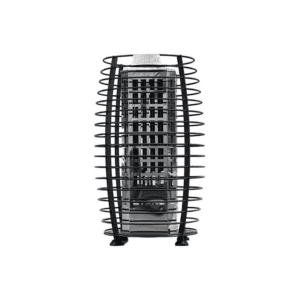
Before we get into where to buy, let’s look at what you’re actually getting. This is more important than most guides admit. the real deal. High heat (typically 75-100°C / 165-212°F), low humidity, with the option to throw water on hot stones for bursts of steam. The Finns call this “löyly”, and apparently, I still pronounce it wrong after two years of trying.
Traditional saunas raise your heart rate to 100-150 beats per minute, roughly equivalent to moderate exercise. A 2018 review published in Mayo Clinic Proceedings found that regular sauna bathing (4-7 times weekly) was associated with reduced risks of cardiovascular disease, sudden cardiac death, and all-cause mortality in a long-term Finnish study of over 2,300 men.
According to a review in Mayo Clinic Proceedings, regular sauna bathing is a long-standing tradition in Finland and is now gaining popularity in other countries, so it remains uncertain whether starting sauna use later in life would yield the same health benefits observed among lifelong Finnish sauna users. I can only share my own experience, but the research suggests the benefits are real.
Infrared Saunas
Infrared saunas use light panels to heat your body directly rather than warm the air. They operate at lower temperatures (45-60°C / 113-140°F), making longer sessions more comfortable and potentially better suited to Thailand’s climate. Stepping out of a 100°C sauna into 35°C humidity isn’t ideal.
Research on infrared saunas is newer than on traditional ones, but there’s evidence that they help with chronic pain and recovery. They serve a different purpose, and for people who find traditional heat too intense, infrared can be a better option.
Steam Rooms
Steam rooms (sometimes called Turkish baths) offer moist heat at lower temperatures with nearly 100% humidity. The focus is on moisture rather than heat, and they’re often better for respiratory health and skin hydration. Breathing hot, wet air reminds me too much of Bangkok in April, which I already get plenty of. But if that’s what works for you, it’s a legitimate option.
Barrel Saunas
Barrel saunas are traditional saunas shaped like a barrel. The round design isn’t just for looks—it heats more efficiently because hot air circulates naturally, leading to faster heating and lower energy costs.
They’re also genuinely beautiful. A well-made cedar barrel sauna looks more like quality furniture than a health appliance. It stands out in a private garden or a boutique hotel courtyard and often draws compliments from visitors.
What Should I Consider Before Buying a Sauna in Thailand?
This is where I can help you avoid costly mistakes. I’ve seen people buy saunas that ended up as storage sheds because they overlooked a few important details.
Space and Installation
First question: Where’s this thing going?
Indoor saunas need ventilation and proximity to electrical connections. Outdoor saunas need weather protection, and in Thailand, that means serious thought about rain, humidity, and the sun absolutely hammering your timber through the dry season.
Measure your space carefully, then double-check your measurements. Also, consider how you’ll get the sauna into that spot—some delivery routes in Thailand can be surprisingly tricky.
Climate Considerations
Thailand isn’t Finland. Materials that work perfectly in a Nordic climate can struggle here.
Timber quality matters enormously. Canadian Western Red Cedar is naturally rot-resistant and handles humidity well. Thermo-treated pine (heat-modified to change its properties) is another solid option for tropical conditions. Cheap pine that hasn’t been properly treated? You’ll be replacing panels in two years.
In Finland, almost any wood works because of the cold, dry climate. In Thailand, you need to invest in quality timber or expect to pay for repairs later. That’s the reality here.
Budget Reality
Let’s talk about costs, since many guides aren’t clear on this.
Portable infrared saunas start around ฿30,000-50,000. They’re entry-level, fine for testing whether you’ll actually use a sauna, but don’t expect them to last forever or deliver the same experience as a proper unit.
Quality infrared saunas start around ฿89,000 at RönYen. These are proper units with decent build quality and components that will last.
Fully customised saunas, built to your size, timber, and layout and then professionally installed, start around ฿250,000 and climb from there depending on size and specification. These are made to last decades and tailored to your exact requirements.
Is the most expensive option always best? Not always. Cheap saunas are usually cheap for a reason. It’s better to buy a well-made small sauna than a poorly built large one.
Here’s something worth considering if you own property in Thailand, particularly a villa or house you might sell one day.
A well-built, attractive sauna is more than a wellness purchase—it can increase your property’s value and appeal. Many expats consider resale value when deciding. A cedar barrel sauna in a landscaped garden or a custom sauna room in a pool house can make your property stand out.
It’s not just homes—quality saunas are also a big draw for gyms, hotels, and wellness studios. They’re the kind of feature guests remember and members come back for.
There’s a big difference between a house with just a pool and one with a pool plus private wellness facilities. The latter often attracts more interest. Of course, this only works if the sauna is installed well. A cheap portable unit in a corner won’t add value, but a quality, permanent installation is a real asset. It’s a genuine asset.
Where Can I Buy a Sauna in Thailand?
Right. Here’s the part where Now, let’s go through your options—including competitors—because I promised to be honest.
There are a handful of dedicated sauna suppliers in Thailand. We’re one of them: RönYen, with delivery across the entire country, including Phuket, Chiang Mai, Pattaya, Hua Hin, and everywhere in between.
The benefit of buying from a specialist is their expertise. When you contact us, you speak with people who use saunas regularly and know the products well. We often advise people against purchases that wouldn’t suit their needs.
There are other specialists as well. Some focus on commercial projects for hotels and spas, while others import European brands. Do your research, ask questions, and notice how they respond. If someone pressures you to decide quickly, be cautious.
Home Improvement Stores
Stores like HomePro and Thai Watsadu occasionally stock sauna units. The selection leans toward portable infrared models, fine for entry-level use, but don’t expect expert advice or much after-sales support.
The staff at these stores are generalists, selling saunas alongside bathroom tiles and garden furniture. That’s fine, but just be aware of what to expect.
Online Marketplaces
Lazada, Shopee, and similar sites list saunas at lower prices, but quality can vary a lot.
If you buy online, read reviews carefully and look for patterns in complaints. Check the return policy, and be prepared that the product might not match the photos. I’ve seen people order “premium Finnish saunas” online that turned out to be particle board with a veneer.
If you’re okay with some risk for a lower price, online can work for portable units. For anything you want to keep long-term, it’s better to see it in person or buy from a reputable seller.
Bringing One in Yourself
Some people import directly from European or American manufacturers. This can work, but remember to factor in shipping, import duties, and the challenge of getting warranty support from far away.
One advantage of buying locally is that a good Thailand-based supplier has already managed importing, chosen units that suit the climate, and handles the warranty. You won’t have to chase a manufacturer in another country if something breaks. Unless you’re experienced and have done the calculations, buying from a local supplier is usually the better choice.
Should I Buy a DIY Sauna Kit or Get It Installed?
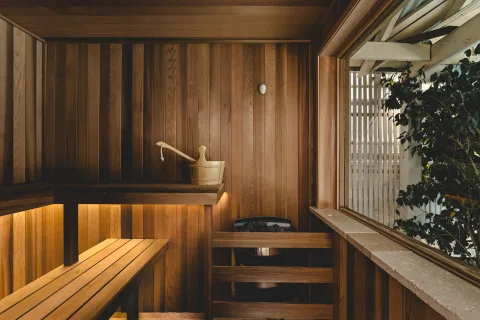
[IMAGE: window cabin sauna interior. Original file: 2-Window-6-8-Person-…-19-3.jpg]
I get this question every week, and honestly, the answer depends on you.
DIY Sauna Kits and Ready-Made Units
Good-quality kits and pre-built saunas come with pre-cut components and detailed instructions. If you’re reasonably handy and patient, you can assemble it. We see successful DIY installations all the time: two or three people, basic tools, half a day to a full day, depending on the model.
The trade-off is that you’re responsible for the quality of the installation. Gaps in panels, loose components, or incorrect electrical connections can cause problems later.
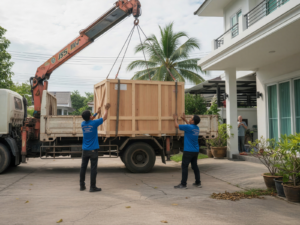
At RönYen, we deliver your sauna by truck and crane and can install it properly for you. If you’d rather do it yourself, our kits and ready-made units come with phone and video support through every step, and plenty of people get a professional result that way.
For some, building your own sauna is part of the appeal. It can be very satisfying to do it yourself.
A Fully Customised, Installed Sauna
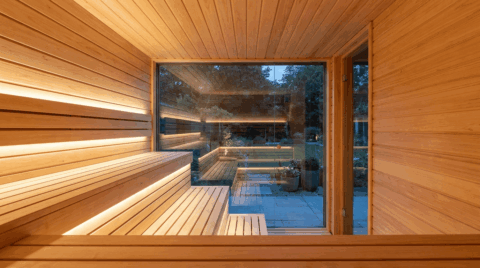
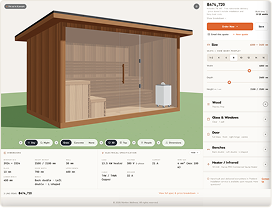
A fully customised sauna is a different service. We help you plan the size, timber, glass, bench layout, and heater for your space. Then we deliver and install it properly, so the sauna fits your needs exactly.
For customised projects, we handle details such as ventilation, bench placement, heater location, and the selection of the right timber for your environment. It’s the difference between fitting a generic box into your space and having one made just for you.
The cost is higher, but the result is much better if you want to use your sauna for years, care about the details, and want something that truly adds value to your home or business.
What Happens After You Buy
It’s important to ask any supplier about this, as it shows the difference between serious businesses and those just selling products.
At RönYen, we offer aftercare when you need it. Saunas are simple machines, but sometimes a heater element wears out, a part needs replacing, or you have a maintenance question. We keep spare parts in stock and can help you by phone or video call.
It may not be exciting, but it’s important. If you can’t get parts for your sauna, its lifespan is limited. Always ask suppliers what happens if you need a replacement in a few years, and notice how confident their answer is.
Will I Actually Use My Sauna?
One thing most sales guides don’t mention: even the best sauna is useless if it ends up as an expensive storage space.
I know this from experience—I’ve turned gym equipment into storage more than once. That rowing machine that became a clothes rack is still in my old apartment in Australia.
What made the sauna different for me was making it part of a routine I enjoyed. Four mornings a week, I wake up, have coffee, and spend 30 to 40 minutes in the sauna. Sometimes my partner joins me. She’s Thai and was sceptical at first, but now she enjoys it too. We talk, sit quietly, and relax together.
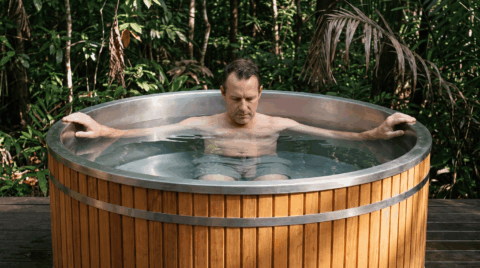
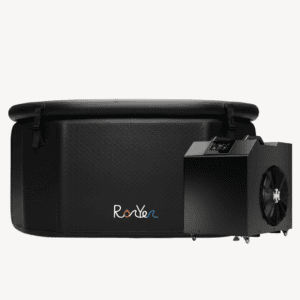
Afterwards, I take an ice bath. While the experience can be challenging, I enjoy the feeling that follows, even though Harvard Health Publishing notes that scientific evidence on the benefits of ice baths is still inconclusive.
A research paper published in PLOS One in January 2025 reviewed the evidence on cold-water immersion for health and well-being. The findings suggested time-dependent effects on stress, with a significant reduction in stress markers 12 hours after exposure. The evidence also pointed to improved sleep quality and quality of life among regular practitioners.
[Source: PLOS One, Effects of cold-water immersion on health and wellbeing: A systematic review and meta-analysis. https://journals.plos.org/plosone/article?id=10.1371/journal.pone.0317615]
Before you buy, ask yourself honestly if you’ll use it. If you’re unsure, start with a smaller, cheaper option to see if the habit sticks. If you already use gym saunas often and want a better experience at home, consider a larger model.
Is Buying a Home Sauna Worth It?
[IMAGE: beach scene. Original file: Nai-Yang-Beach-Thailand.jpg]
I never planned to sell saunas. I thought I’d keep photographing bands until I couldn’t, then maybe teach photography somewhere warm.
But now, I’m genuinely excited about cedar timber, heater wattages, and the right way to pour water on sauna stones.
What changed was finding something that actually worked—not in a trendy wellness way, but in a real, practical sense. My arthritis, which had lasted for ten years, disappeared in two weeks. Chronic eczema cleared in a month. I gradually lost forty-two kilograms from a lifestyle I wasn’t proud of.
I can’t promise you’ll have the same results. Everyone’s body and situation is different, and I made other changes too. But if you’re thinking about a sauna, it’s not just a trend. People have used them for thousands of years, and research continues to support their benefits.
Whether you’re buying for your health, your lifestyle, or as an asset that makes a property more valuable and more enjoyable, a quality sauna delivers on all three. The same holds for a business, where a well-placed sauna is the kind of amenity that gets a gym or hotel remembered.
Sauna isn’t really a luxury. Think of it as maintenance. You wouldn’t skip brushing your teeth for a week, and this is much the same. It’s simply how you look after yourself.
If you’re in Thailand and ready to weigh up your options, we’re at ronyen.com. Happy to answer questions whether you buy from us or not. Either way, feel free to get in touch, even if it’s just to shoot the breeze. You can reach me at [email protected].
FAQs
Q: How much does a sauna cost in Thailand?
A: Portable infrared saunas start around ฿30,000-50,000. Quality infrared units begin at ฿89,000. Fully customised saunas start around ฿250,000, depending on size, timber, and specification. The price reflects build quality and longevity, since cheap units often need to be replaced within a few years.
Q: Which type of sauna suits Thailand’s climate best?
A: Both traditional and infrared saunas work well. The key is to use quality timber that withstands humidity, such as teak, thermo-treated pine, or red cedar, and to ensure proper ventilation for outdoor units. Avoid low-quality softwoods that deteriorate quickly in Thai heat and humidity.
Q: Can I install a sauna myself in Thailand?
A: DIY kits are achievable for reasonably handy people, with most installations taking half a day to a full day with two or three people and basic tools. Good suppliers provide phone and video support throughout. For customised or larger saunas, professional installation is the safer bet, and we handle that for you.
Q: Does a home sauna add value to my property in Thailand?
A: Yes, when it’s done well. A quality installation, particularly a cedar barrel sauna or a well-designed sauna room, can make a property stand out and command a premium. It’s the difference between “house with pool” and “house with pool and private wellness facilities”. Cheap portable units don’t add meaningful value.
Q: Where can I see saunas before buying in Thailand?
A: You can come to the Ron Yen Shop & Wellness Garden to view them (by appointment only). A good supplier will walk you through models and timber options with detailed photos and video, talk you through a consultation, and visit your property to assess the space for a customised build. Some home improvement stores, such as HomePro, also stock basic portable models.